Same receipt, new phone.
Still caught.
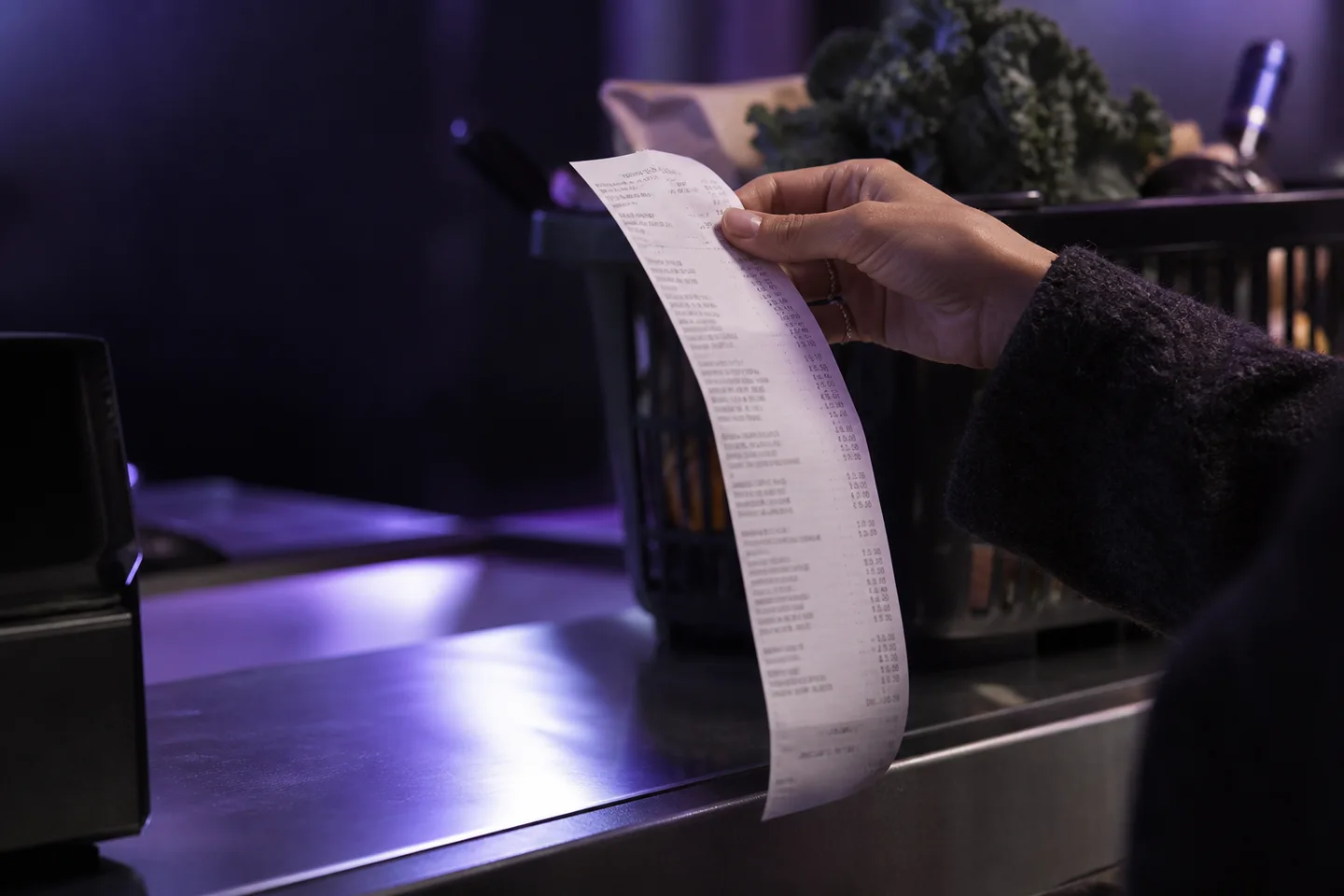
Most promotion fraud is not sophisticated. It is the same receipt again, from a friend’s phone, slightly cropped. Steve matches submissions visually and by identity fields across the whole history of a workflow, and rules catch the rest.
- Methods
- Perceptual image hash, identity fingerprint, similarity matching
- Statuses
- Clean, flagged, blocked
- Scope
- Per workflow, across its full submission history
What it does for you.
Visual duplicates
Perceptual hashing matches the same photo even when it is cropped, rotated, or re-compressed.
Data duplicates
Identity fields you choose, such as merchant plus date plus total, define what counts as the same purchase. Exact fingerprint matching, or similarity matching when receipts vary.
Per-participant limits
Attach a customer identity and enforce one payout per person, or whatever the terms say, across every channel.
Flagged, never silently dropped
Every match is recorded with the submission it matched. Reviewers see both side by side and resolve with one click.
How it works in practice.
Choose identity fields
What makes two submissions the same purchase in your world.
Steve builds history
Every processed submission joins the match index for its workflow.
Review the matches
Confirm fraud or clear a false positive. The outcome trains your thresholds.
Where this earns its keep.
Use cases that lean on fraud detection the most.
The rest of the platform.
Extraction
Photos, documents, and audio turned into typed fields with confidence scores.
Read moreVerification rules
Your standard as declarative rules, with a reason every time one fires.
Read moreCapture quality gate
Blurry, dark, or cropped captures rejected on the spot and never billed.
Read moreReview queue
Exceptions only, evidence beside the verdict, one click to decide.
Read moreDelivery and API
Sessions, webhooks, SDK, and a native Open Loyalty connection with a delivery ledger.
Read moreSee it work
on your evidence.
See fraud detection running on your own evidence. Thirty minutes, no slides.
Book a demo 30 minutes. Your use case. Real possibilities.