Cashback promotion receipt validation: running one buy-anywhere campaign across every retail chain
A CPG cashback promotion should work at any store that sells the product. Receipt validation makes that possible without retailer integrations and keeps the payout budget from fraud.

A brand running a cashback promotion faces a choice at the start. Run it through one retailer, with that retailer’s till data and that retailer’s shoppers, or run it everywhere the product is sold and take on the job of validating receipts from a hundred different chains and ten thousand independents.
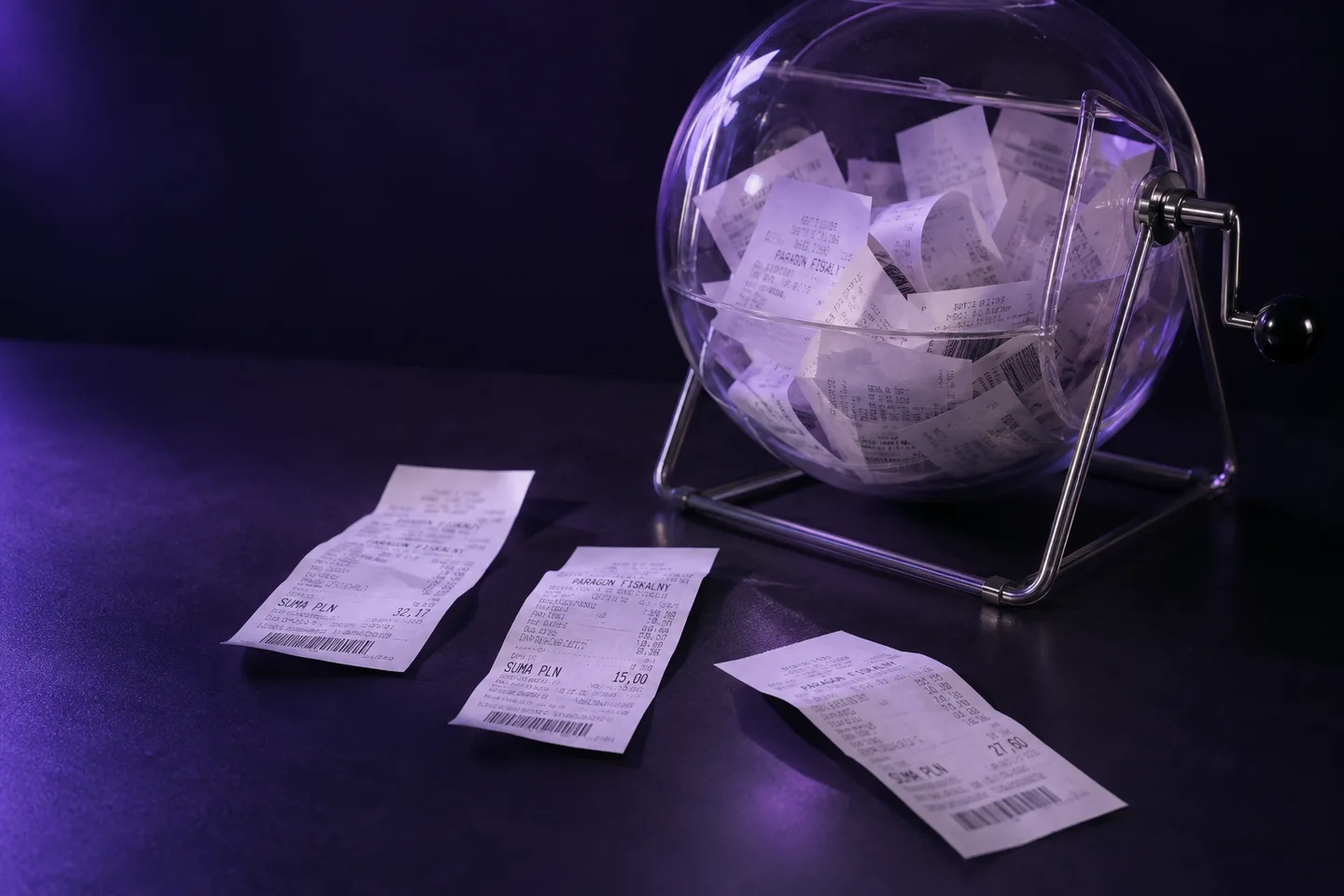
The first option is simpler and reaches a fraction of buyers. The second reaches everyone and used to mean a room full of people reading receipts. Receipt validation that runs on every submission automatically is what changed the trade-off, and it is why buy-anywhere cashback has become the default shape for consumer promotions in CPG.
What a buy-anywhere promotion has to check
The mechanics vary. Buy two, get 5 PLN back. Buy any three from the range, get a voucher. Buy the new variant, get the full price refunded. Every one of them comes down to the same checks on every receipt.
Is the qualifying product on the receipt, at the required quantity? Line items are matched against the promoted SKUs, including the retailer-specific abbreviations that appear on a till receipt. “SPARK WTR 1.5L 6PK” and “Woda gaz. 1,5l x6” are the same product on two chains’ receipts.
Is the retailer participating? Sometimes any retailer counts. Sometimes a chain has opted out or is running its own version. Merchant matching against the participating list, ideally by tax identifier rather than printed name, settles it.
Is the date inside the window? Purchase date, not print date, not submission date.
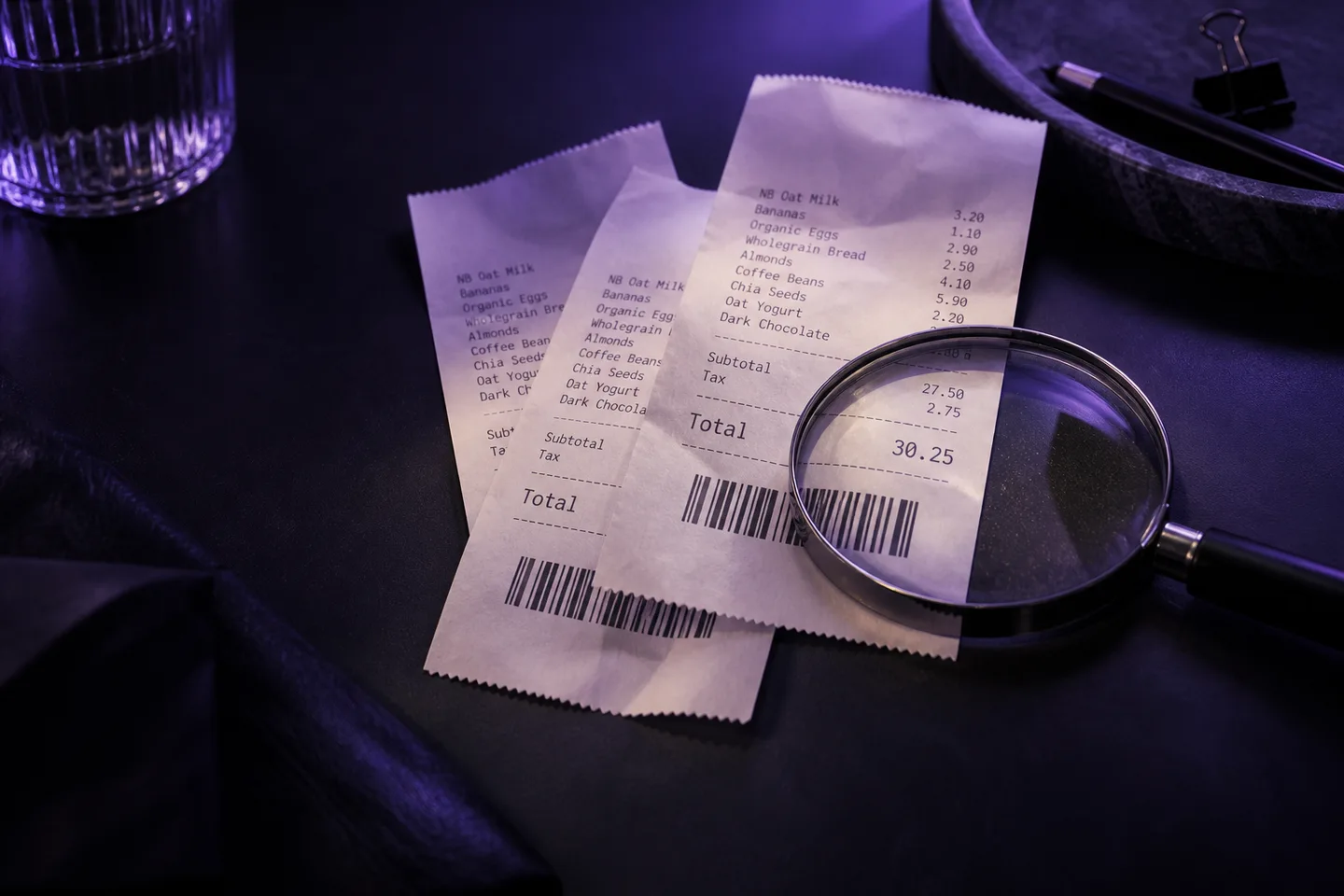
Do the numbers add up? Line items to subtotal, subtotal plus tax to total. An edited receipt almost always fails this.
Has this receipt, or this purchase, been submitted before? By this participant or any other. Across the app, the web form, and the chat channel.
Has this participant hit the limit? One payout per person, or three, or whatever the terms say, enforced across channels.
Each of these is a rule. Each returns a reason when it fails. Together they are the campaign brief, written once and applied to every submission.
Where the budget goes without validation
The payout budget of a cashback promotion is a fixed pool. Every fraudulent or ineligible payout comes out of the pool that was meant for real buyers, and out of the campaign’s measured return.
The largest single leak is duplicates. The same receipt from several accounts, or the same purchase photographed twice. The second is out-of-scope receipts approved by a tired reviewer: wrong date, wrong product, wrong quantity. The third is edited receipts, which are rarer but larger per instance because they are usually edited to cross a threshold.
A validation pipeline that runs duplicate detection against the full campaign history, applies the rules to every receipt, and checks arithmetic closes all three. What is left for a person is the genuinely ambiguous receipt, and there are far fewer of those than most teams expect.
The participant’s side
A participant who uploads a receipt and hears nothing for three days does not upload the next one. A buy-anywhere promotion lives on repeat participation, and the speed of the answer matters more than the size of the cashback.
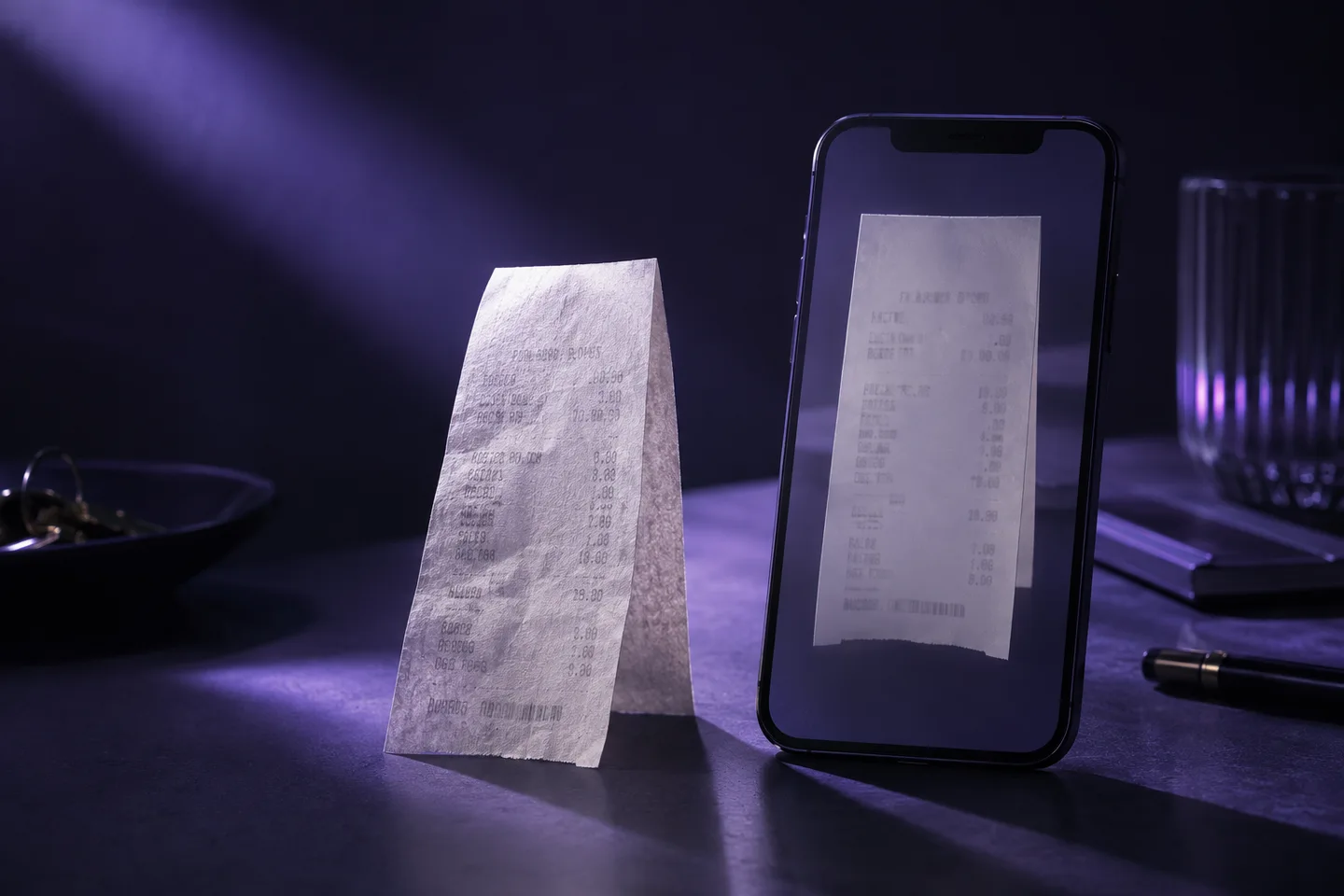
The pipeline gives an answer in seconds for a clean receipt. For a rejected one, it gives a reason the participant can act on: “we could not find a qualifying product on this receipt” or “this receipt was submitted on 4 September”. For a bad photo, it refuses at capture with “the receipt is cut off at the bottom, please retake”. Support tickets drop, and the promotion feels like it works.
Running it for many brands
Agencies that operate promotions for several brands run into the same problem at a larger scale: every campaign is a new set of rules, and a review team sized for the peak of one campaign is idle for the rest of the year.
The pattern that works is one validation engine with a workflow per campaign. Each workflow has its own rules, its own qualifying SKUs, its own duplicate history. Reviewers work one queue across all of them. Each brand sees its own submitted, approved, flagged, and paid volumes.
What to measure
Before and after moving to automatic validation, the numbers that matter are the share of receipts approved with no human involvement, the duplicate rate caught, the share of rejections that carried a specific reason, median time from upload to answer, and reviewer hours per thousand receipts. Payout budget leakage is the one the brand’s finance team will ask about, and it is the hardest to measure without running the old receipts through the new checks. That is usually worth doing.
If you are planning a buy-anywhere cashback campaign, book a demo and bring the mechanics. We will show you what the rules look like and what a receipt from three different chains returns.