Receipt scanning loyalty programs for brands: know who buys your product without integrating a single retailer POS
Manufacturers sell through retailers and never see the buyer. A receipt scanning loyalty program turns any till receipt into a verified transaction and a known customer.

A brand that sells through retailers has a strange relationship with its own customers. It knows how many units shipped to each chain. It knows roughly what sold, weeks later, from syndicated panel data. It does not know who bought the product, where, with what else, or whether they will buy it again. The retailer knows all of that and has no reason to share it.
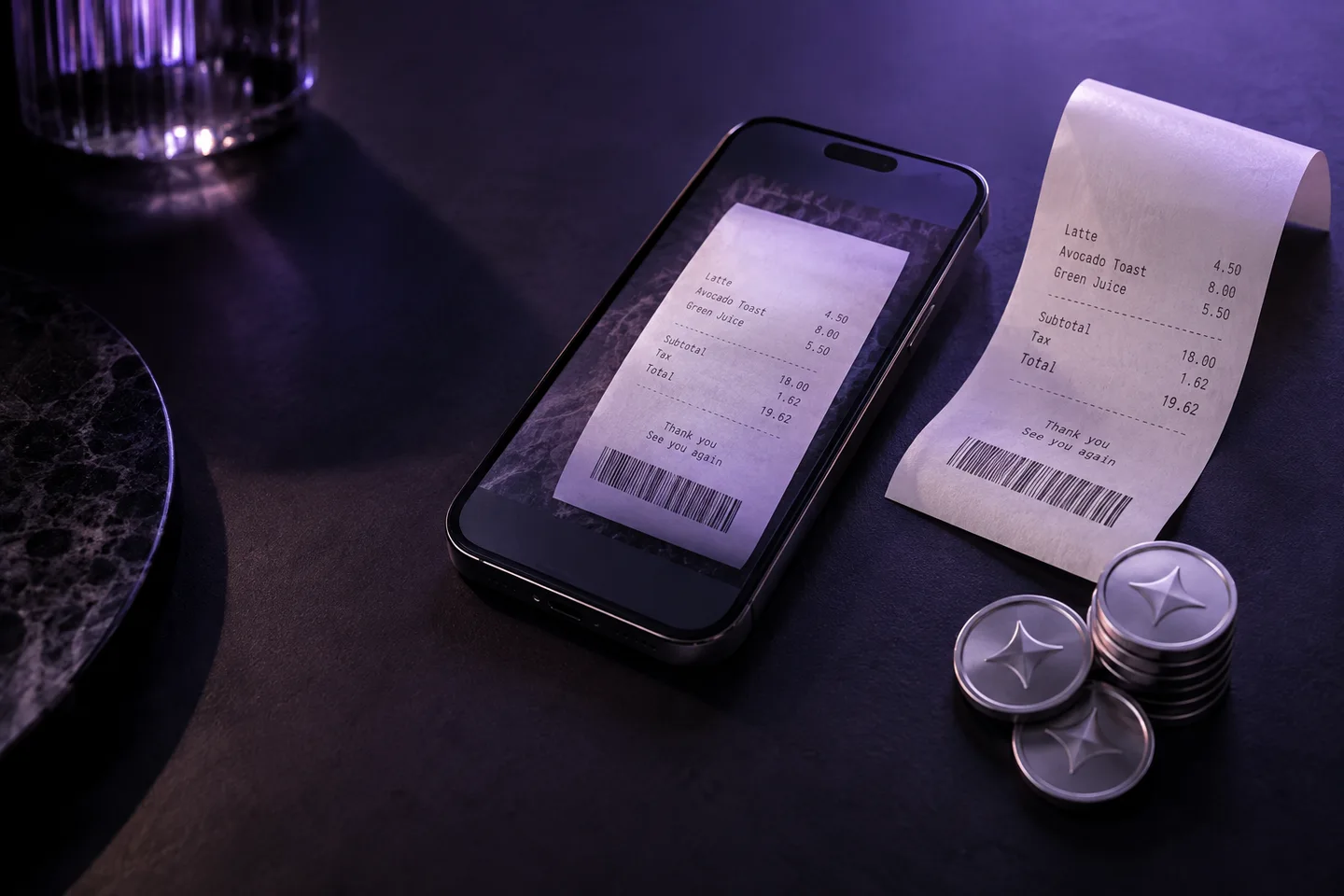
The standard fix has been to ask retailers for transaction data or to integrate with their point-of-sale systems. Both are slow, both need a commercial agreement per chain, and both give the retailer a veto over the brand’s relationship with the shopper. A receipt scanning loyalty program routes around the problem. The shopper already holds proof of the transaction. The brand just has to read it.
How a receipt-based program works
The mechanics are simple to describe. A shopper buys the product anywhere, photographs the receipt in the brand’s app or web page, and receives points, cashback, or an entry. Behind that, the receipt is read, checked, and turned into a transaction record the brand owns.
Reading is the easy part and the part most vendors sell. The receipt comes back as fields: merchant, store, date, time, line items with quantities and prices, total. The brand’s SKUs are matched against line items, so a receipt with forty lines yields the two that matter.
Checking is the part that decides whether the program pays for itself. Every submission runs through the rules of the program (qualifying products, participating retailers, date windows, per-person limits), through duplicate detection against every receipt the program has ever seen, and through arithmetic that confirms the line items add up to the total. Clean receipts approve in seconds. Suspicious ones go to a short review queue. Unreadable photos are refused at capture with a request to retake, and never reach the bill.
What comes out is a transaction with a known customer attached. That is the asset.
What the manufacturer gets that the retailer never gave them
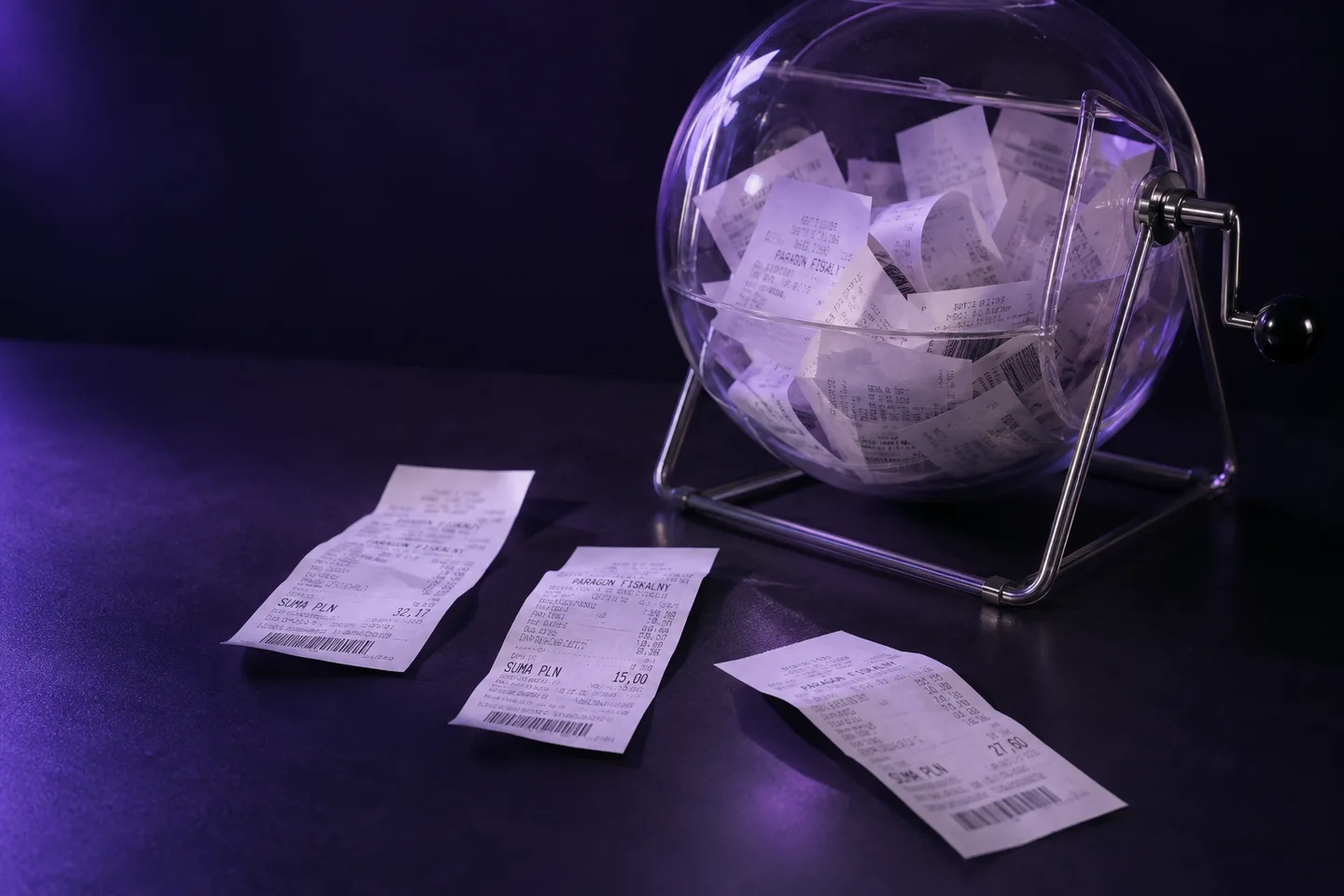
A transaction feed across every chain. Biedronka, Lidl, Carrefour, the independent on the corner. One format, one pipeline, no integration per retailer. The brand sees purchases the day they happen instead of in a panel report a month later.
The basket. The receipt shows what else was bought. Which competitor products sit next to yours, which complementary categories, what the total spend was. Panel data approximates this at a population level. Receipts show it per customer.
A direct channel. A shopper who has scanned a receipt has an account. The brand can talk to them: a thank-you, a next-purchase offer, a survey, a product launch. For a manufacturer that has never had a way to reach the people who actually buy the product, this is the change that matters most.
Rewards that follow the product, not the store. The shopper earns for buying your brand wherever they buy it. Loyalty to the product, decoupled from loyalty to the retailer.
Real purchase data for trade negotiations. Knowing that a promotion at one chain drove repeat purchases at another is the kind of thing that changes a conversation with a buyer.
Where these programs go wrong
Three failure modes show up repeatedly.
Fraud arrives with success. The moment the program is worth gaming, the same receipt appears from several accounts, receipts get shared in groups, and totals get edited. Programs that treat OCR as the whole pipeline discover this in the payout numbers. Duplicate detection, both of the image and of the underlying purchase, has to be in place from day one and has to run against the full history.
Bad photos become support tickets. A shopper who submits a blurry receipt and hears nothing for two days emails support and does not scan again. A quality gate at capture time turns that into a ten-second retake while they still have the receipt.
The rules live in people’s heads. Qualifying SKUs change, a retailer joins, a limit is adjusted. If the rules are applied by a review team from a brief, every change is a retraining exercise. If they are declarative rules in the verification workflow, the change is an edit.
What this looks like connected to a loyalty platform
The receipt program is usually one earning channel in a wider loyalty setup. The clean pattern is that the verification engine returns approved transactions to the loyalty platform through an API or a native integration, and the platform’s own earning rules turn them into points. In our case the native path is Open Loyalty, where a verified receipt posts as a transaction and points are awarded by the program’s rules without anyone touching it.
The brand ends up with what the retailer always had: a record of who bought what, when, and where, with a way to say thank you. The retailer ends up with nothing lost. The shopper ends up rewarded for a purchase they were going to make anyway.
If you are a manufacturer weighing a receipt-based program, book a demo and bring receipts from three different chains. Seeing your SKUs extracted from all three in one format tends to settle the integration question.